
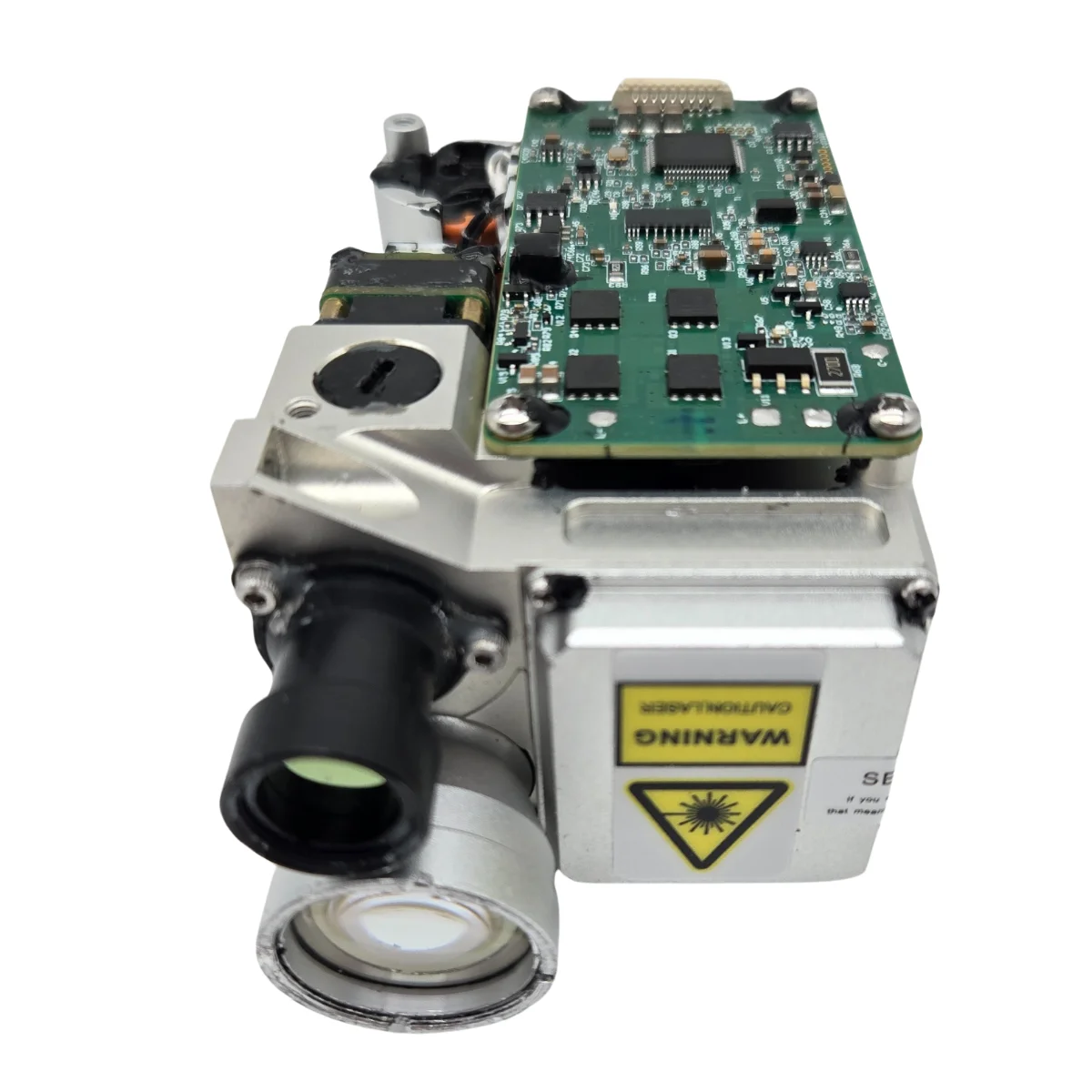
In modern warfare, military target designators are indispensable key equipment for achieving precise fire strikes. They serve as precise guides on the battlefield, enabling various guided weapons to lock onto targets and significantly improve the hit rate of operations. Their workflow consists of three stages: target identification, signal calibration, and weapon guidance.
Target Identification and Locking Phase
Military target designators first identify the target to be engaged in a complex battlefield environment using supporting equipment such as optical sights and infrared thermal imagers. During this process, it is necessary to consider the battlefield situation and eliminate interference factors such as smoke and camouflage to ensure that the locked target is a genuine combat objective. Simultaneously, the designator's positioning system acquires basic data such as its relative azimuth and distance to the target, preparing for subsequent calibration.
Laser Signal Calibration Stage
This is the core of a target designator. Military target designators mostly employ laser calibration technology, which works by emitting a laser beam towards the target. This laser beam is highly directional and has concentrated energy, forming a laser spot on the target surface. To avoid detection and interference from the enemy, military lasers typically use low-power, narrow-band coded lasers, and different combat units also use their own unique codes to prevent friendly weapons from misinterpreting the signals.
The guidance phase of a guided weapon
Once a target is marked by a laser beam, weapons such as missiles and guided bombs equipped with laser seekers will use their sensors to capture the laser signal reflected from the target. The seeker will analyze the position of the laser beam in real time and adjust the weapon's flight attitude to always fly in the direction of the laser beam. Whether it is a guided bomb dropped by an air-to-air fighter jet or an anti-tank missile launched by ground troops, as long as it can receive the laser signal from the designator, it can achieve a precise strike.