


1535nm Laser Ranging Module 3km LRF0310C
Need pricing or a tailored specification? Tell us your application — wavelength, range, platform and interface — and our engineers will reply within 24 hours with a proposal.
DESCRIPTION
The LRF0310C-02 is a Class 1 eye-safe laser ranging module utilizing a proprietary 1535nm erbium glass laser. It employs single-pulse ranging technology to achieve a maximum range of ≥3000m for NATO standard targets (2.3m×2.3m).
TECHNICAL SPECIFICATIONS
|
Project |
Performance Indicators |
|
Model |
LRF0310C |
|
Laser Wavelength |
1535±5nm |
|
Eye- safety |
Class Ⅰ |
|
Divergence Angle |
≤0.6 mrad |
|
Laser Energy |
≥100 μJ |
|
Launch Lens Diameter |
Φ8 mm |
|
Receiver Lens Diameter |
Φ16 mm |
|
Measuring Range (Reflectance 30%; visibility ≥ 5km.) |
NATO's Goals (2.3m×2.3m) ≥3000m(2.3m × 4.6m target board or vehicle, relative humidity ≤ 60%, visibility ≥ 8km) |
|
Minimum Range |
≤15 m |
|
Ranging Frequency |
Single, 1Hz ~10Hz |
|
Number of multi-target detections |
Up to 3 targets |
|
Ranging Accuracy |
±1 m |
|
Range Resolution |
≤0.1 m |
|
Precision Rate |
≥98% |
|
False Alarm Rate |
≤1% |
|
Supply Voltage |
4.5V~16V |
|
Standby power consumption |
≤ 0.6W |
|
Average power consumption |
≤1.5W@1Hz |
|
Peak Power Consumption |
≤7W@12V |
|
Weight |
≤32±1 g |
|
Dimension (L×W×H) |
48mm×30.5mm×21mm |
|
Operating Temperature |
-40~+70 ℃ |
|
Storage Temperature |
-55~+75 ℃ |
|
Impact Resistance |
Meet the MIL-STD-810G testing standard |
|
Vibration Resistance |
Meet the MIL-STD-810G testing standard |
OUTLINE DIMENSION(mm)
The overall dimensions of the mechanical and optical interfaces are shown in Figure 2.
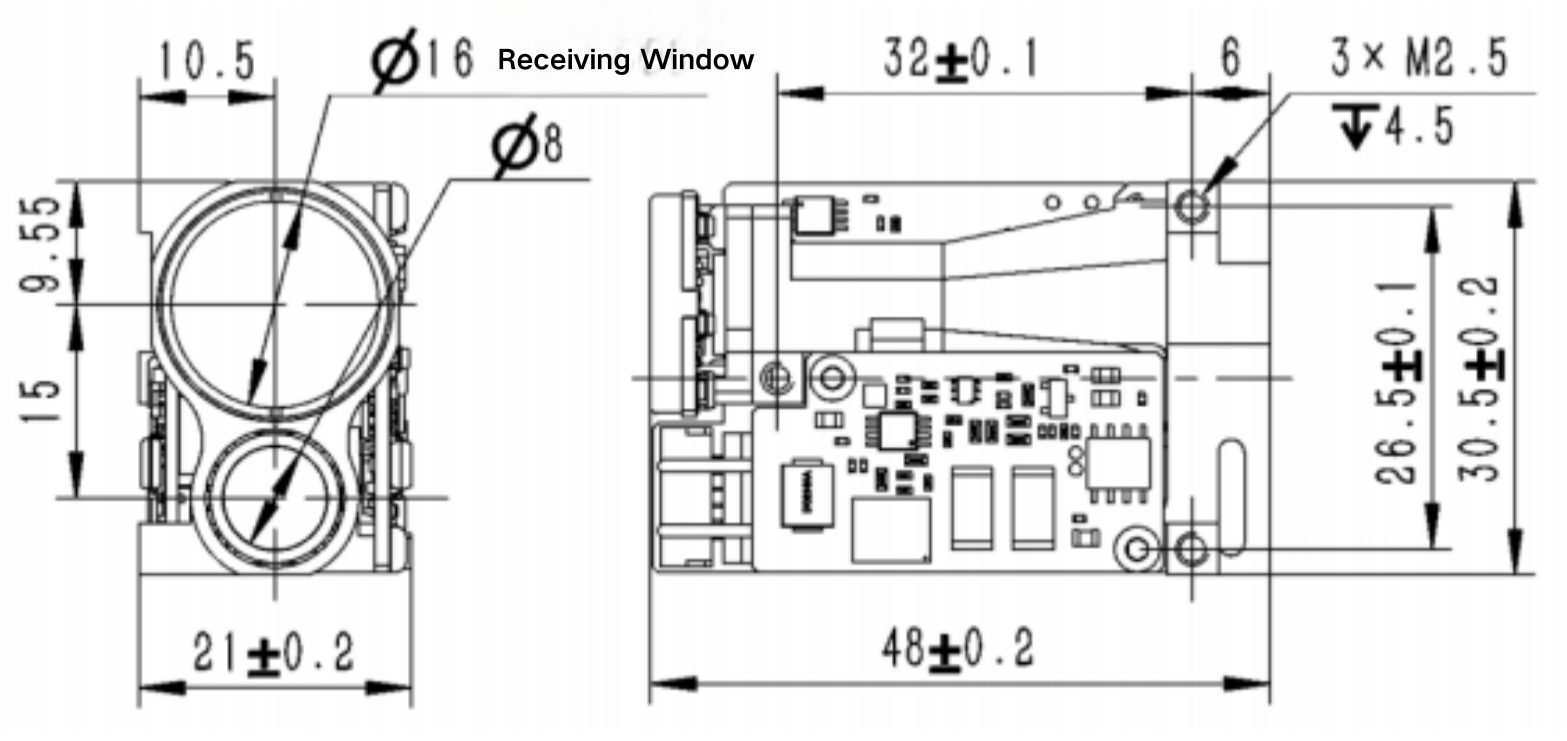
Figure 2 Mechanical and Optical Interface Diagram
The position of the center of mass is shown in Figure 3.
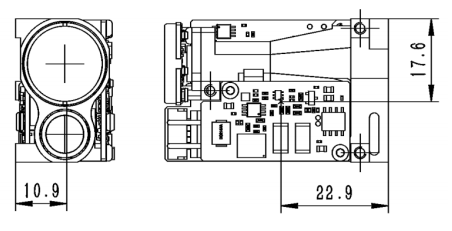
Figure 3 Schematic Diagram of the Center of Mass Position
PIN INTERFACE
Interface definition: The host computer communicates and tests with the rangefinder through a 6PIN connector. The pin definitions of the power supply and communication ports on the rangefinder side are shown in Table 2.
Table 2 Pin Definitions of Power Supply and Communication Ports on the Rangefinder Side
|
Pin |
Definition |
Description |
Cable color |
|
P-1 |
VIN+ |
Power supply, 4.5–16V |
|
|
P-2 |
VIN- |
Power supply, ground |
|
|
P-3 |
POWER_ON |
Module power switch, TTL_3.3V level; |
|
|
P-4 |
UART_TX |
Module on (>2.7V), module off (<0.3V) |
|
|
P-5 |
UART_RX |
Serial port transmitting end, TTL_3.3V level |
|
|
P-6 |
GND |
Serial port receiving end, TTL_3.3V level |
APPLICATION NOTES
The LRF0310C uses a proprietary 1535 ±5 nm erbium glass laser at ≥100 μJ and single-pulse ranging to return ≥3000 m on a NATO 2.3 m × 2.3 m target, and its tightest published figure is ±1 m accuracy, with ≤0.1 m range resolution, ≥98 % precision rate and ≤1 % false alarm rate over single-shot and 1 Hz to 10 Hz operation with up to 3 targets. Behind a Φ8 mm launcher and Φ16 mm receiver, ≤0.6 mrad divergence keeps the footprint compact at 3 km while a ≤15 m minimum range allows close targets in the same session. The 48 × 30.5 × 21 mm, ≤32 ±1 g housing, 4.5 V to 16 V input, ≤0.6 W standby, ≤1.5 W average at 1 Hz and ≤7 W peak are typically used where handheld observation units, ballistic ranging devices or small turrets need a metre-level measurement rather than a longer but coarser channel, and where the single-pulse method avoids multi-pulse averaging. −40 °C to +70 °C operation with −55 °C to +75 °C storage and MIL-STD-810G impact and vibration compliance are stated.
SELECTION GUIDANCE
Select this module where ±1 m accuracy at about 3 km is the governing requirement and single-pulse ranging is acceptable. Where 4 km standoff matters more than the extra metre of accuracy, the LRF0405C quotes ≥4000 m at ±2 m in the same 48 × 30.5 × 21 mm class with a 3 V to 5 V input and ≤2.5 W average. Where the lowest practical consumption is decisive, the LRF0105C states ≤0.8 W average and ≤1.5 W peak with ≥1500 m human-target performance. Where rapid update is needed for scanning or tracking, the LRF0305C and LRF0306C reach 1 Hz to 10 Hz and 1 Hz to 3 Hz at ≤14 ±1 g with a ≤10 m minimum range. At acceptance, verify wavelength tolerance and Class Ⅰ marking, energy ≥100 μJ, divergence ≤0.6 mrad, launcher and receiver diameters, minimum range, the ≥3000 m figure under the stated reflectance, visibility and humidity conditions, accuracy and resolution, precision and false alarm rates, standby, average at 1 Hz and peak consumption, temperature limits, and the shock and vibration qualification reports. Confirm the six-pin power and communication definitions, since the pin table pairs two functions per line.
FREQUENTLY ASKED QUESTIONS
How far can the LRF0310C laser ranging module measure?
Using single-pulse ranging, it reaches a maximum range of ≥3000m on a NATO standard target (2.3m×2.3m), with a minimum range of ≤15m.
What is the ranging accuracy of the LRF0310C?
Ranging accuracy is ±1m with a range resolution of ≤0.1m, a precision rate of ≥98% and a false alarm rate of ≤1%.
What are the weight and dimensions of the LRF0310C?
It weighs ≤32±1g and measures 48mm×30.5mm×21mm (L×W×H).
What is the power consumption of the LRF0310C?
Standby power consumption is ≤0.6W, average power consumption is ≤1.5W@1Hz and peak power consumption is ≤7W@12V.
What supply voltage and ranging frequency does the LRF0310C support?
It operates on 4.5V~16V and supports single ranging as well as 1Hz~10Hz, detecting up to 3 targets.
ORDERING INFORMATION
Is there a minimum order quantity?
There is no minimum order quantity. Single units and evaluation samples are accepted.
What is the sample lead time?
Samples are shipped within 1 week after order confirmation.
What is the batch production lead time?
Batch production is delivered within 1 month after order confirmation.
RELATED TECHNICAL GUIDES
Further ERDI Laser engineering references on 1535 nm eye-safe laser ranging modules and TOF sensors:
- Applications of 1535nm Laser Ranging Modules
- Enabling High-Performance Drones: Application of ERDI Laser 1535nm Laser Ranging Module
- 1535nm vs 1570nm Laser Ranging Module: Core Differences, Performance & Application Selection
- Laser Rangefinder Module Platforms
- Laser Rangefinder Module Integration Checklist
- How to Specify a Custom Laser Rangefinder Module: OEM Integration Guide
- Laser Ranging, Designation and OEM Integration FAQs


